15 Strange Ways Animals Sleep That Defy Expectations
RobertoCostaPinto / Wikimedia Commons / CC BY-SA 4.0
Sleeping usually means closing both eyes, finding a comfortable position, and staying still for several hours. In the animal kingdom, things work quite differently. Some creatures sleep while flying, others rest with half their brains awake, and a few have sleeping habits that barely resemble sleep at all. From whales floating upright in the ocean to fish wrapped in protective cocoons, these 15 animals have developed some remarkably unusual ways to rest.
1. Dolphins Sleep With Half Their Brain Awake
Safaritravelplus / Wikimedia Commons / CC0 1.0
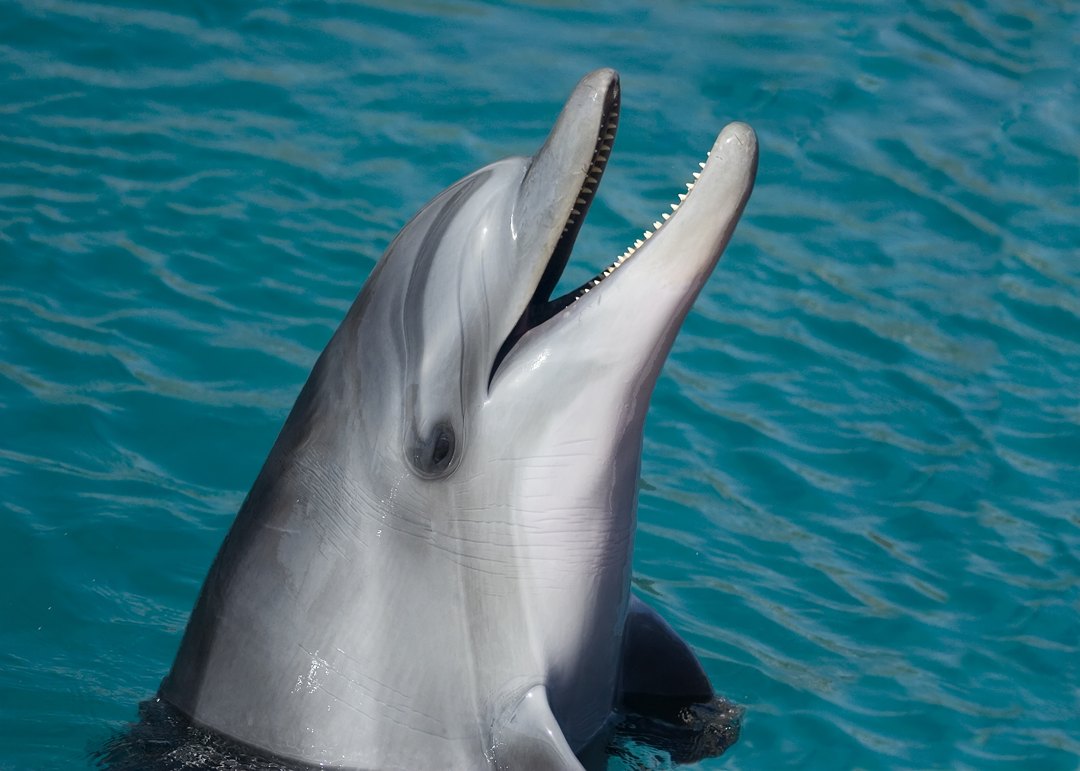
For dolphins, becoming completely unconscious underwater would create a serious problem. They need to surface to breathe, so they use a form of rest called unihemispheric sleep, in which one brain hemisphere sleeps while the other remains more alert. The eye connected to the resting hemisphere is usually closed, while the opposite eye can stay open. Dolphins alternate sides during their resting periods, allowing them to keep swimming slowly or remain near the surface without completely losing awareness of their surroundings.
2. Frigatebirds Can Sleep While Flying
Chinmayisk / Wikimedia Commons / CC BY-SA 4.0
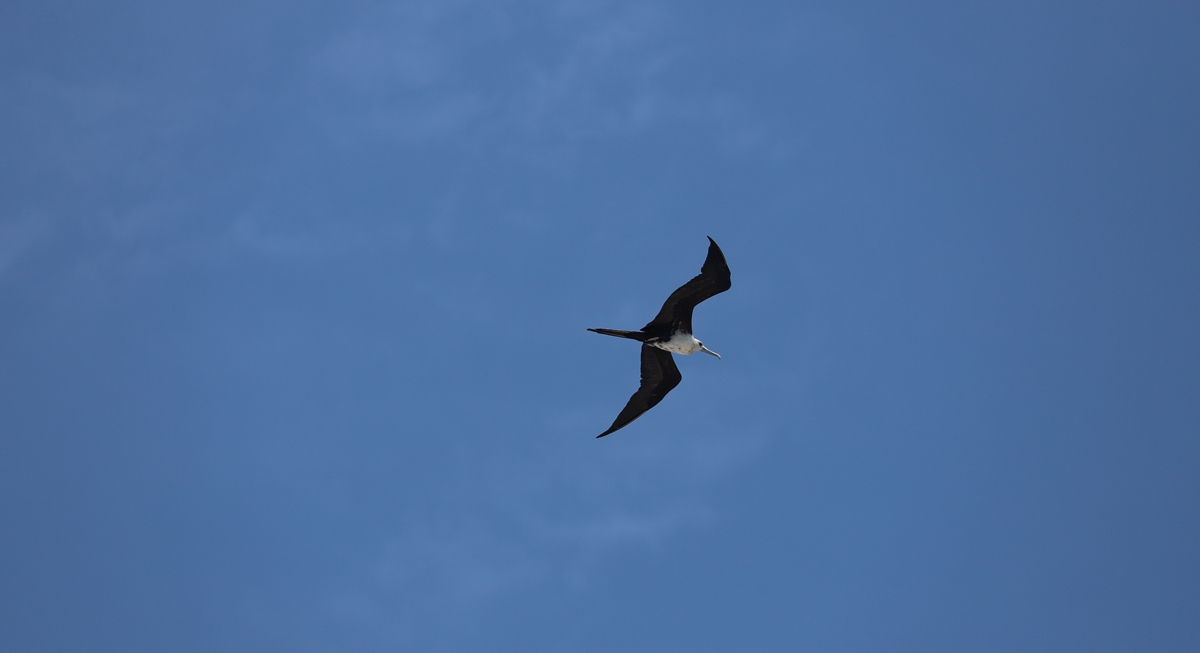
Some seabirds spend days traveling over open water without landing, but frigatebirds take things a step further. In 2016, researchers monitoring great frigatebirds discovered that they could sleep during flight, sometimes with one brain hemisphere resting and occasionally with both. The birds slept primarily while gliding and circling in rising air currents. Surprisingly, they averaged only about 42 minutes of sleep per day while airborne, far less than they typically get on land.
3. Octopuses Change Color While Sleeping
Victor Micallef / Wikimedia Commons / CC BY-SA 4.0
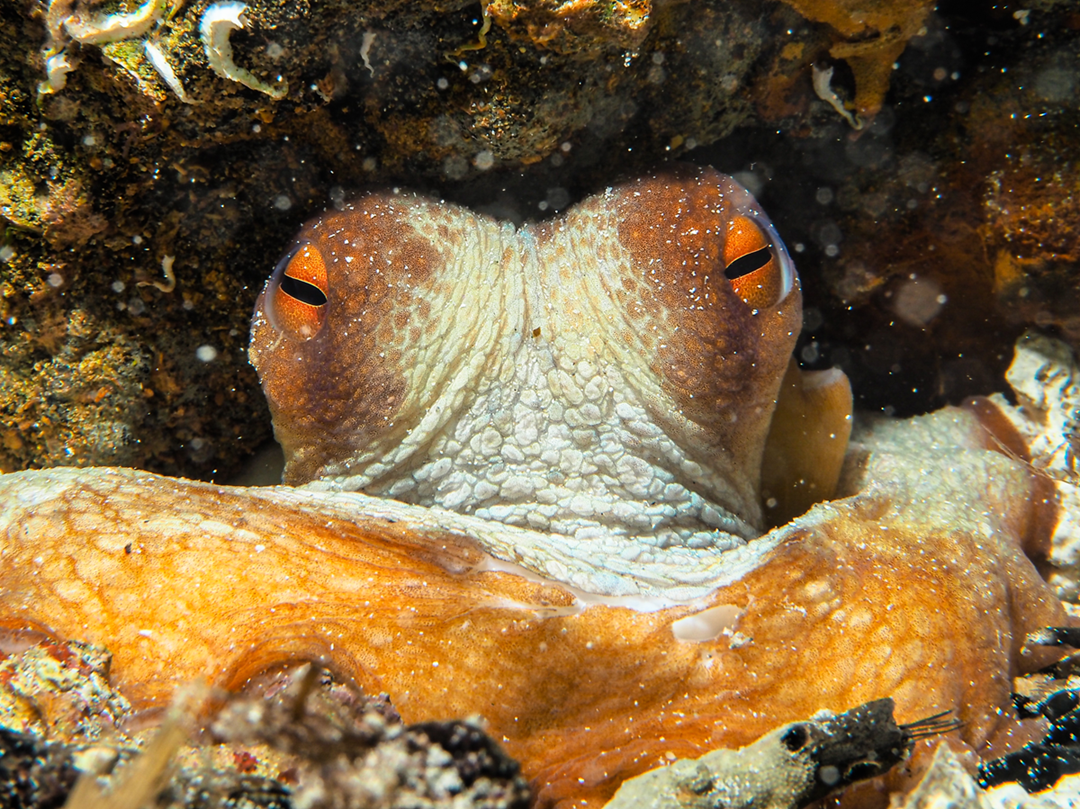
An octopus resting quietly can suddenly begin changing colors, twitching its arms, and moving its eyes. Scientists have identified two distinct sleep stages in these animals, including an active phase during which their skin rapidly shifts through different patterns. A 2023 study found that brain activity during these episodes shares features with activity recorded while the octopus is awake. Researchers are still investigating whether these unusual movements have anything in common with dreaming.
4. Chinstrap Penguins Take Thousands of Tiny Naps
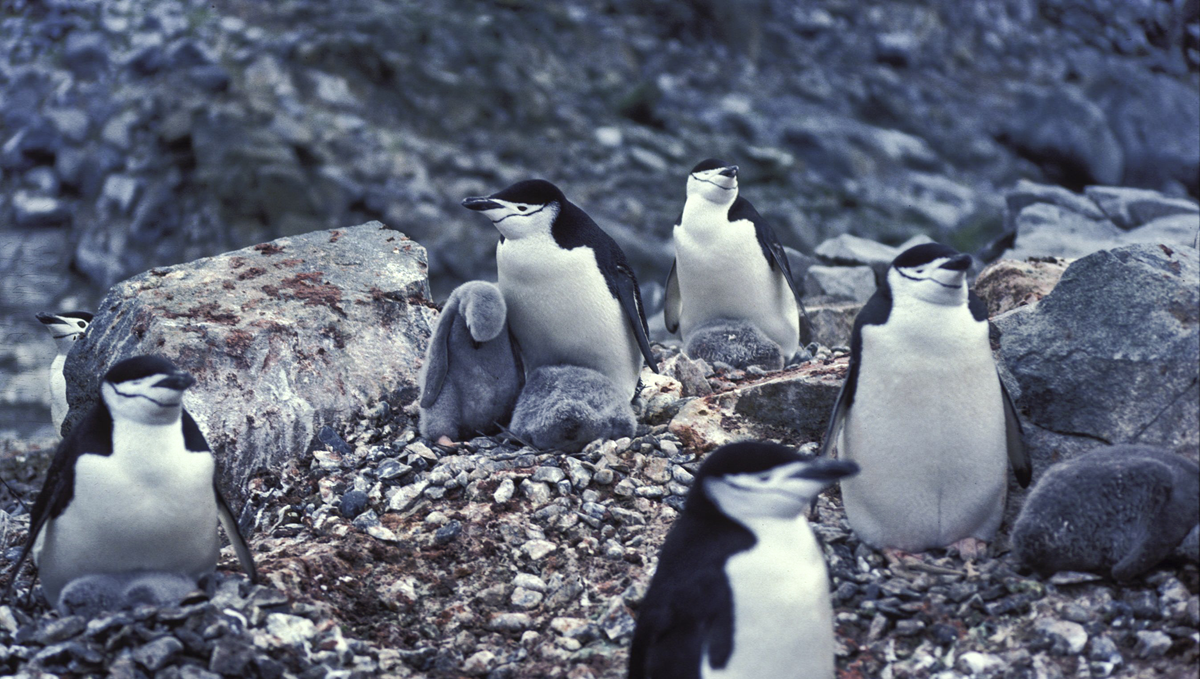
Hannes Grobe / Alfred Wegener Institute / CC BY 3.0
A penguin sitting on an Antarctic nest might appear restless, repeatedly closing its eyes for a few seconds before waking again. For chinstrap penguins, that behavior is part of an extraordinary sleep routine. Researchers reported in 2023 that nesting birds could experience more than 10,000 microsleeps per day, each lasting around four seconds on average. Added together, those tiny naps provided more than 11 hours of sleep for each brain hemisphere, even as the birds remained surrounded by noisy neighbors and potential threats.
5. Sea Otters Wrap Themselves in Kelp Before Sleeping
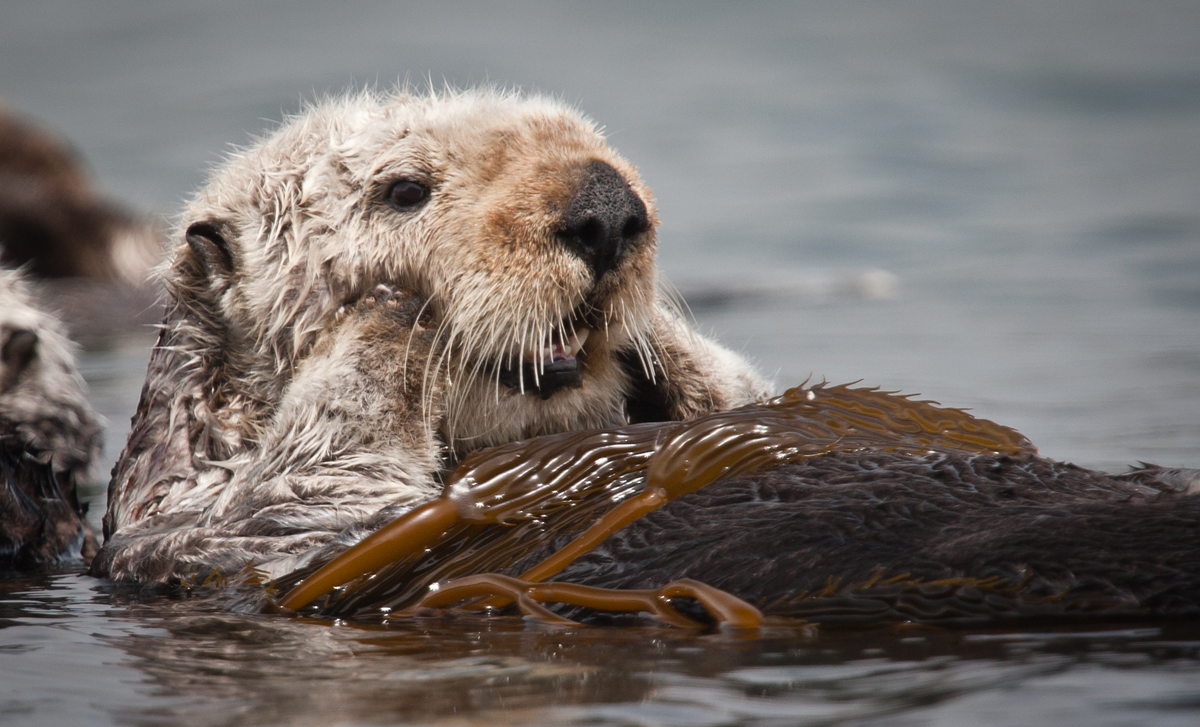
Mike Baird / Wikimedia Commons / CC BY 2.0
Sea otters often sleep floating on their backs, sometimes gathering in groups known as rafts. Before settling down, they may wrap themselves in strands of kelp, using the seaweed as a natural anchor that helps keep them from drifting away. They also tend to hold their paws and flippers above the water to reduce heat loss. Occasionally, neighboring otters even hold paws while floating together.
6. Flamingos Sleep While Balancing on One Leg
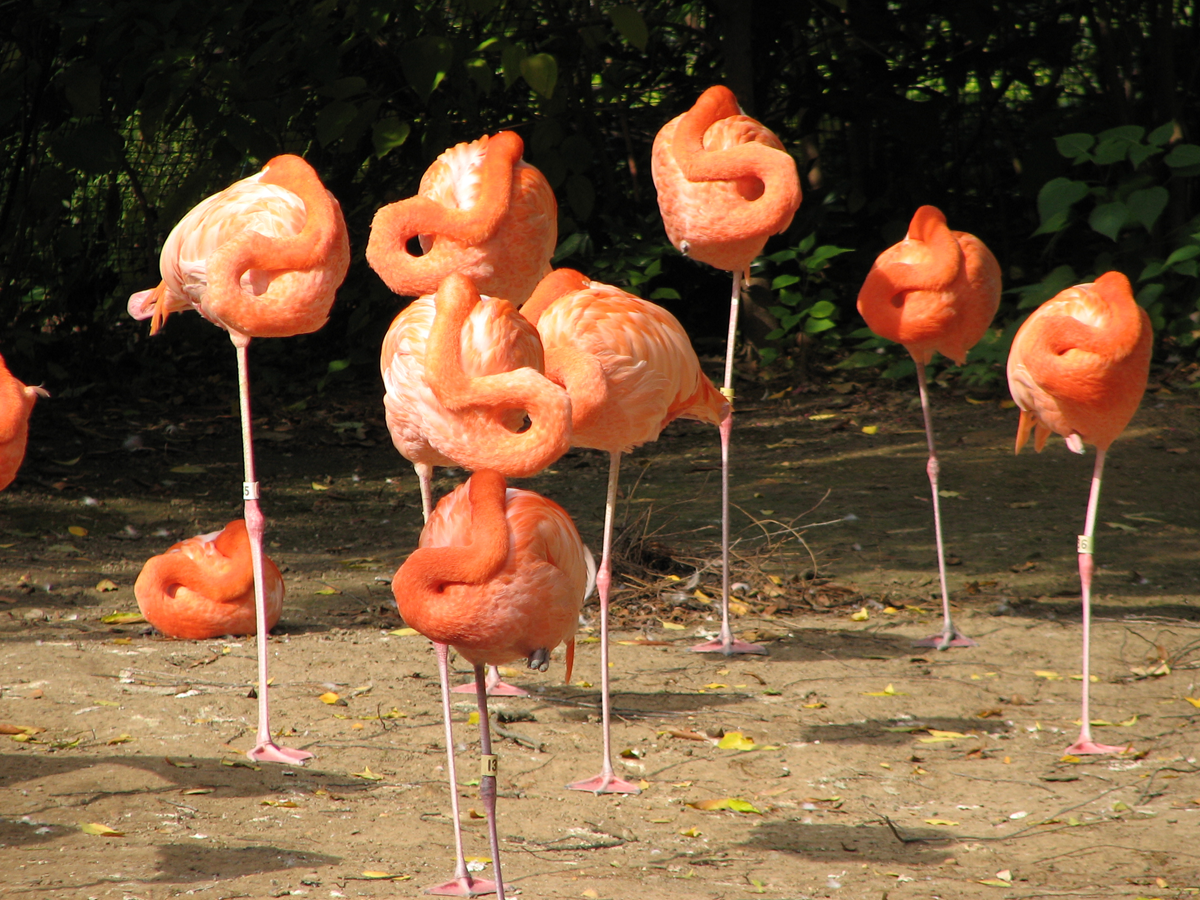
Christopher Woods / Wikimedia Commons / CC BY-SA 2.0
Standing on one leg seems like an uncomfortable way to spend the night, yet flamingos manage it with remarkably little effort. Their anatomy allows them to support their weight in this position without constantly using their muscles to maintain balance. A 2017 study found evidence of a passive support mechanism that makes one-legged standing particularly stable. The familiar pose is therefore much more restful than it looks.
7. Horses Can Doze Without Lying Down
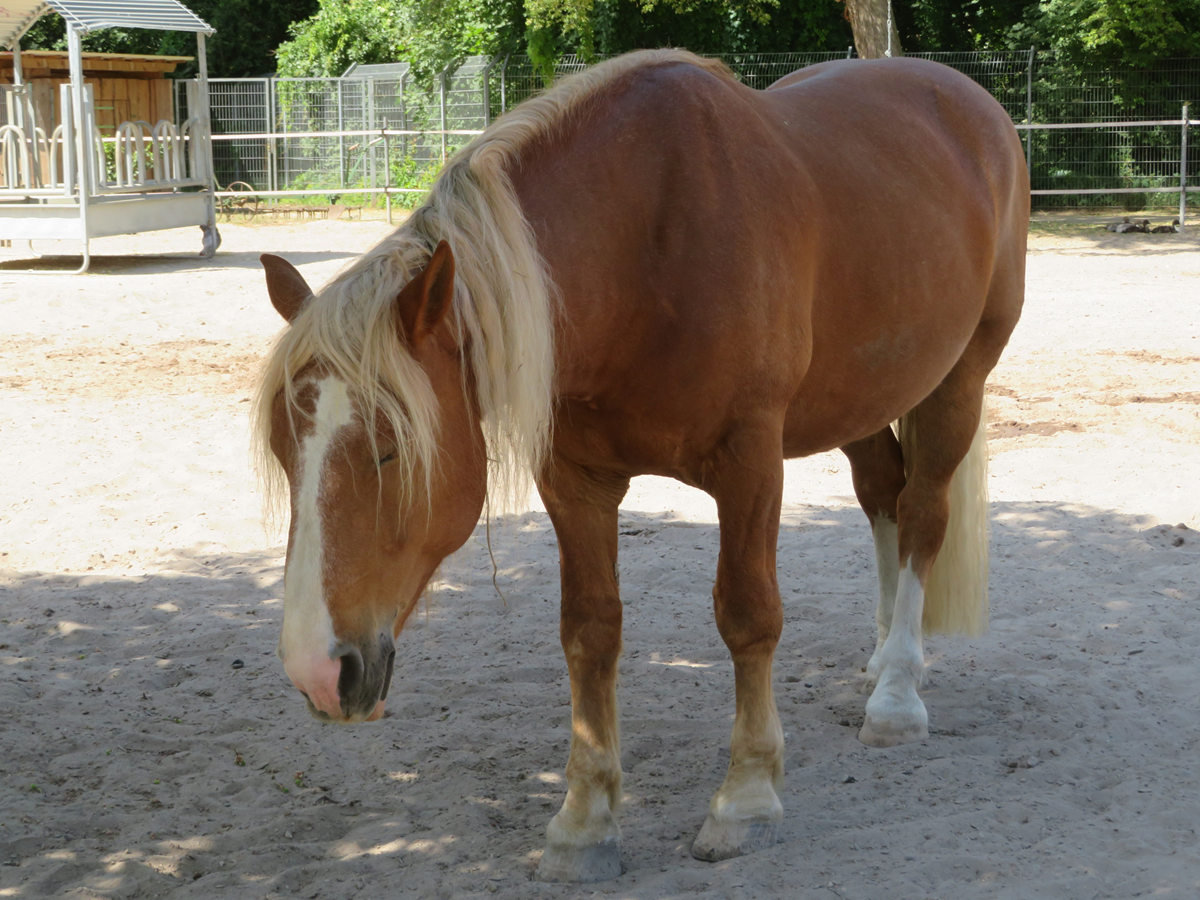
Sciencia58 / Wikimedia Commons / CC BY-SA 4.0
Horses have a specialized arrangement of muscles, tendons, and ligaments known as the stay apparatus, which allows them to rest while standing. This reduces the muscular effort needed to support their bodies and makes it easier to respond quickly to danger. However, standing sleep has its limits. Horses still need to lie down periodically to experience normal REM sleep, a stage associated with substantial muscle relaxation.
8. Bats Sleep Hanging Upside Down
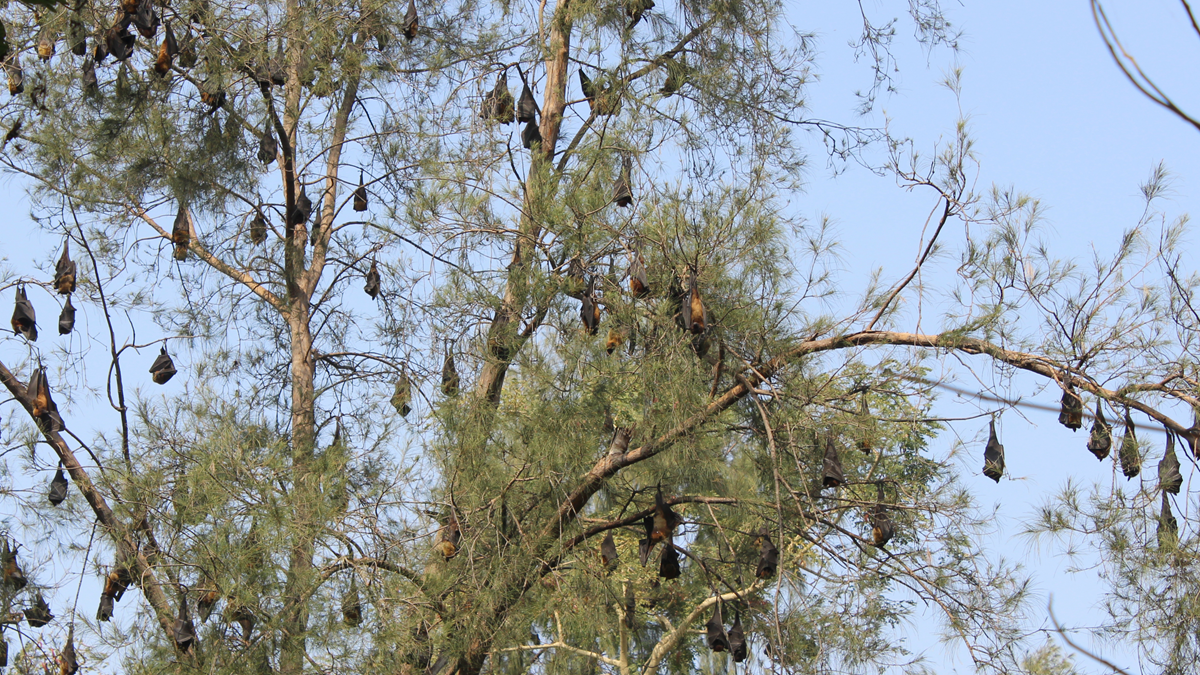
Suyash Dwivedi / Wikimedia Commons / CC BY-SA 4.0
A bat hanging from the ceiling of a cave might look as though it is making an enormous effort just to stay attached. In reality, its gripping mechanism works quite differently from a human hand. Specialized tendons help lock its claws around a surface, allowing the animal to hang without continually contracting its muscles. This position also gives many bats a convenient way to launch into flight when they wake.
9. Wild Elephants May Sleep Only Two Hours a Day
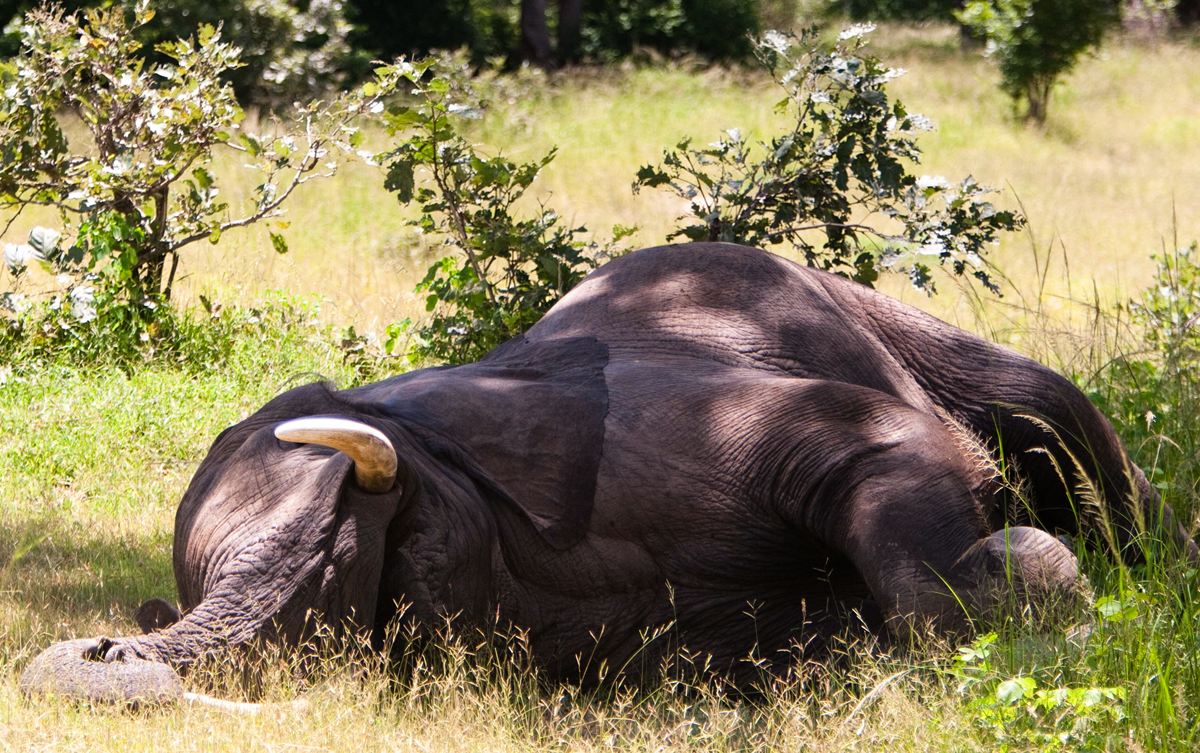
Brendan Herbert / Wikimedia Commons / CC BY 2.0
Considering their enormous size, elephants might seem like animals that need plenty of time to recover. Yet a 2017 study tracking two wild African elephant matriarchs found that they averaged approximately two hours of sleep per day. Most of their rest occurred while standing, and they lay down only every three or four days. Researchers even recorded occasions when the elephants appeared to go without sleep for as long as 46 hours, although the findings came from just two individuals.
10. Ducks Can Keep One Eye Open for Danger
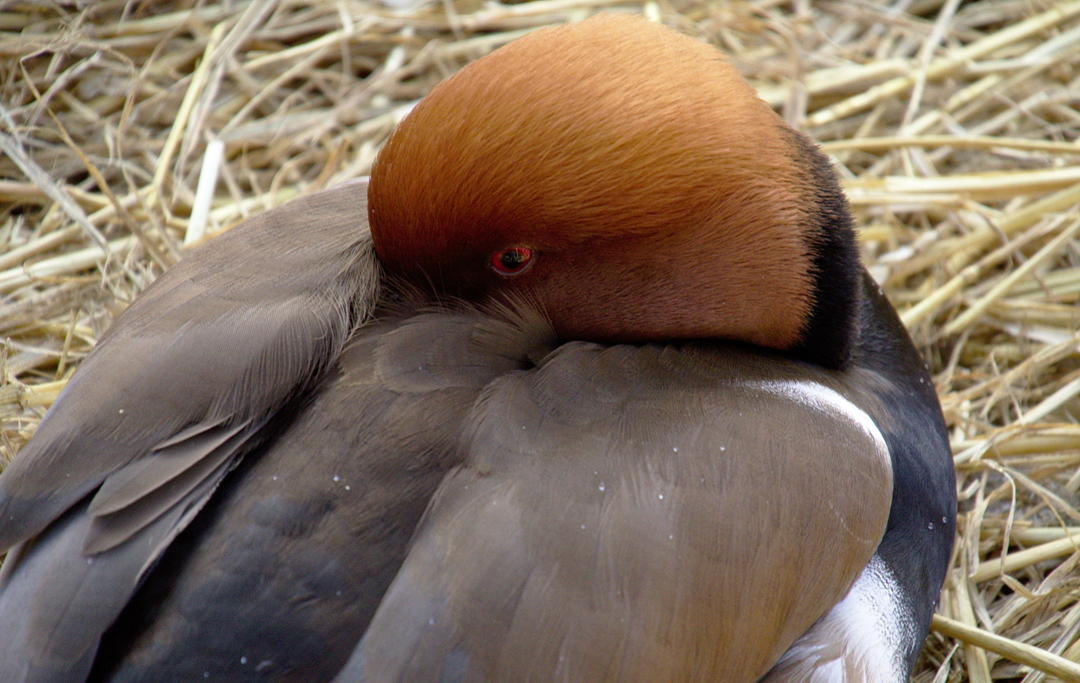
Martin Kopta / Wikimedia Commons / CC BY 3.0
Sleeping in a group offers some protection, but ducks positioned along the outside face greater exposure to potential threats. Researchers studying mallards found that birds resting at the edge of a group were more likely to sleep with one eye open, usually the one facing away from their companions. The brain hemisphere receiving information from that eye remained more alert while the other rested. Ducks surrounded by other birds spent more time sleeping with both eyes closed.
11. Walruses Can Sleep on the Seafloor
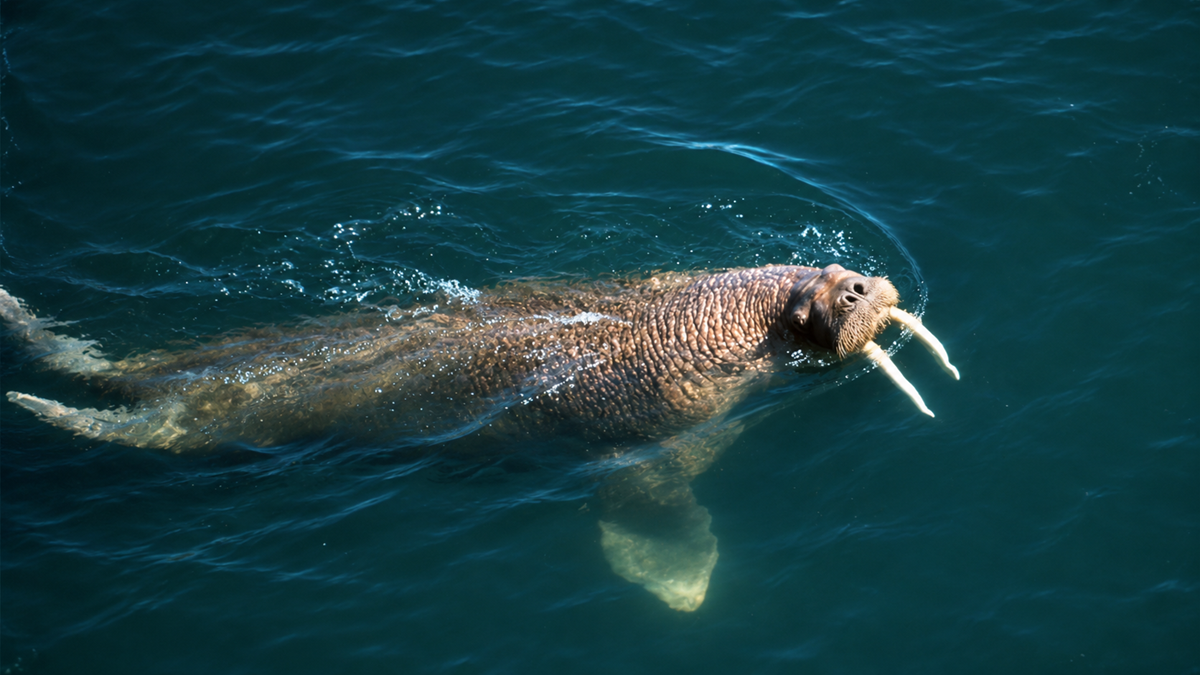
U.S. Fish and Wildlife Service / Wikimedia Commons / Public Domain
Walruses are comfortable resting both on land and in water, but their underwater sleeping arrangements are particularly unusual. Researchers studying captive walruses have observed them sleeping while floating at the surface, leaning against pool walls, and lying on the bottom. When resting underwater, they hold their breath and eventually wake to surface for air. Studies have also recorded periods of nearly continuous swimming lasting several days, followed by extended stretches of rest.
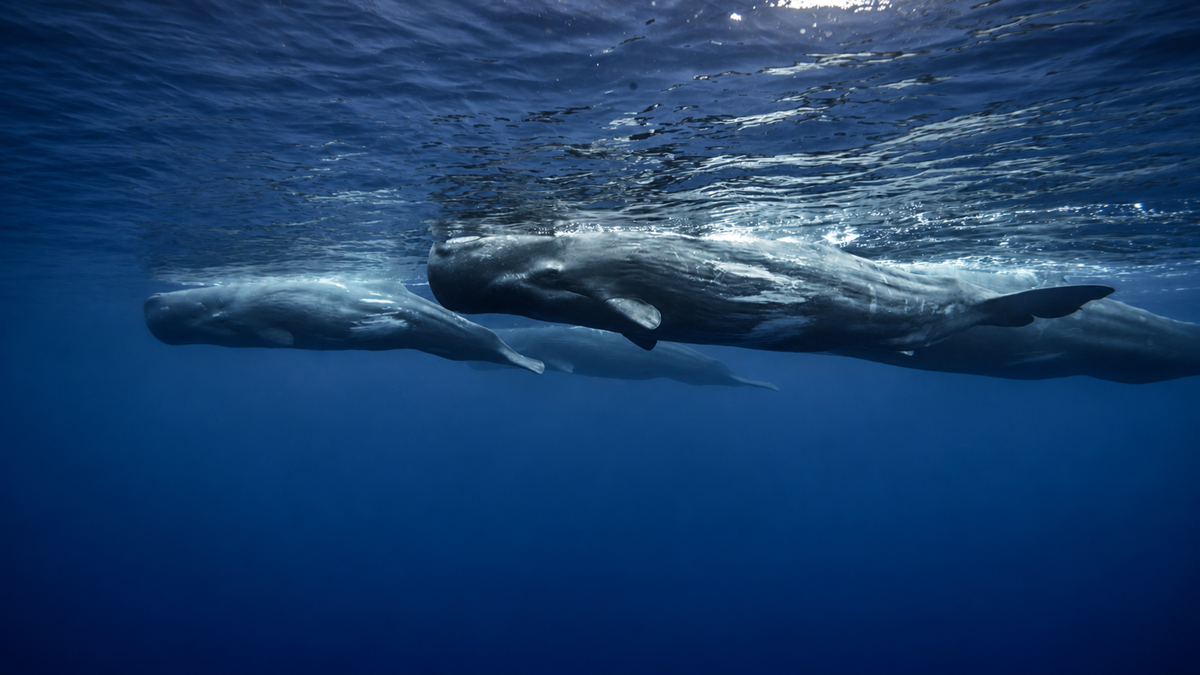
12. Sperm Whales Rest in an Upright Position
Will Falcon (Vitaly Sokol) / Wikimedia Commons / CC BY 4.0
Few resting arrangements look stranger than a group of sperm whales suspended almost vertically beneath the ocean surface. Scientists have documented these animals entering periods of passive drifting, with their bodies oriented upright and their movements greatly reduced. A 2008 study described this distinctive behavior using data from tracking devices attached to wild whales. Some drifting whales were unusually slow to respond to a nearby research vessel, suggesting that these periods may involve sleep, although direct brain measurements have not confirmed it.
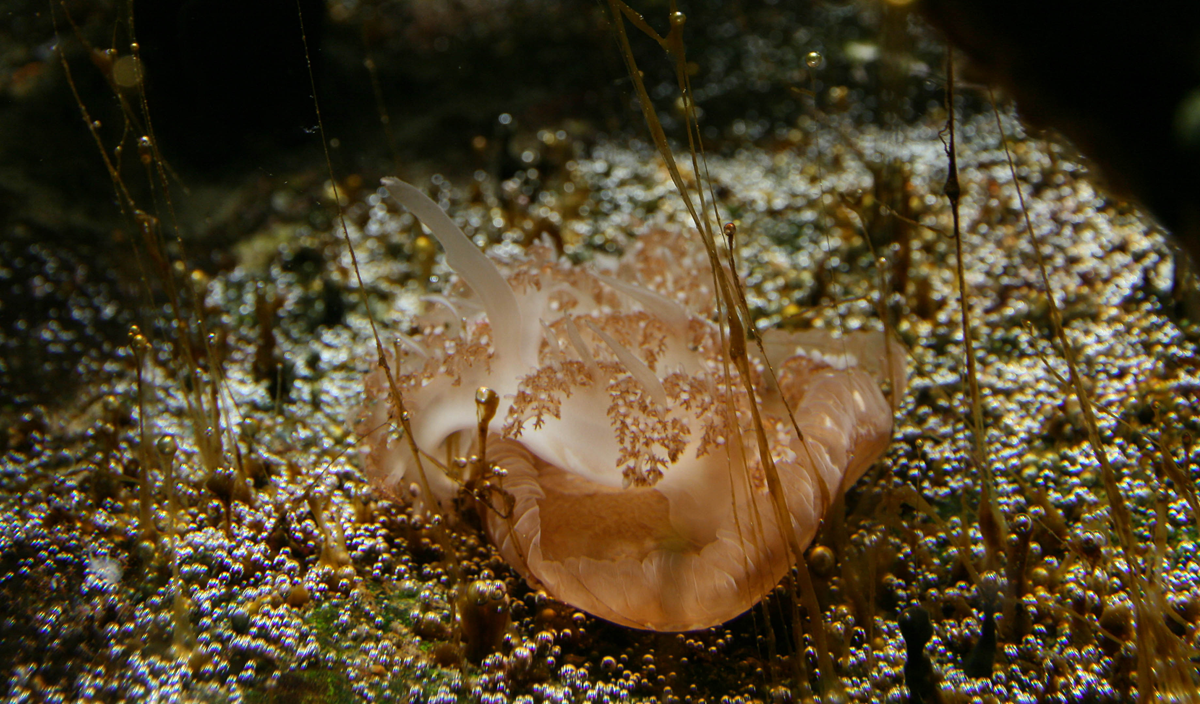
13. Some Jellyfish Have a Sleep-Like State Without a Brain
Marco Almbauer / Wikimedia Commons / Public Domain
Jellyfish do not have a centralized brain, which makes their apparent ability to sleep especially interesting. In 2017, scientists studying upside-down jellyfish of the genus Cassiopea discovered that the animals became less active at night and responded more slowly to disturbances. When researchers interrupted their nighttime rest, the jellyfish showed signs of reduced alertness the following day. The findings provided strong evidence of a sleep-like state in an animal with a relatively simple nervous system.
14. Parrotfish Make Protective Cocoons Before Sleeping
RobertoCostaPinto / Wikimedia Commons / CC BY-SA 4.0
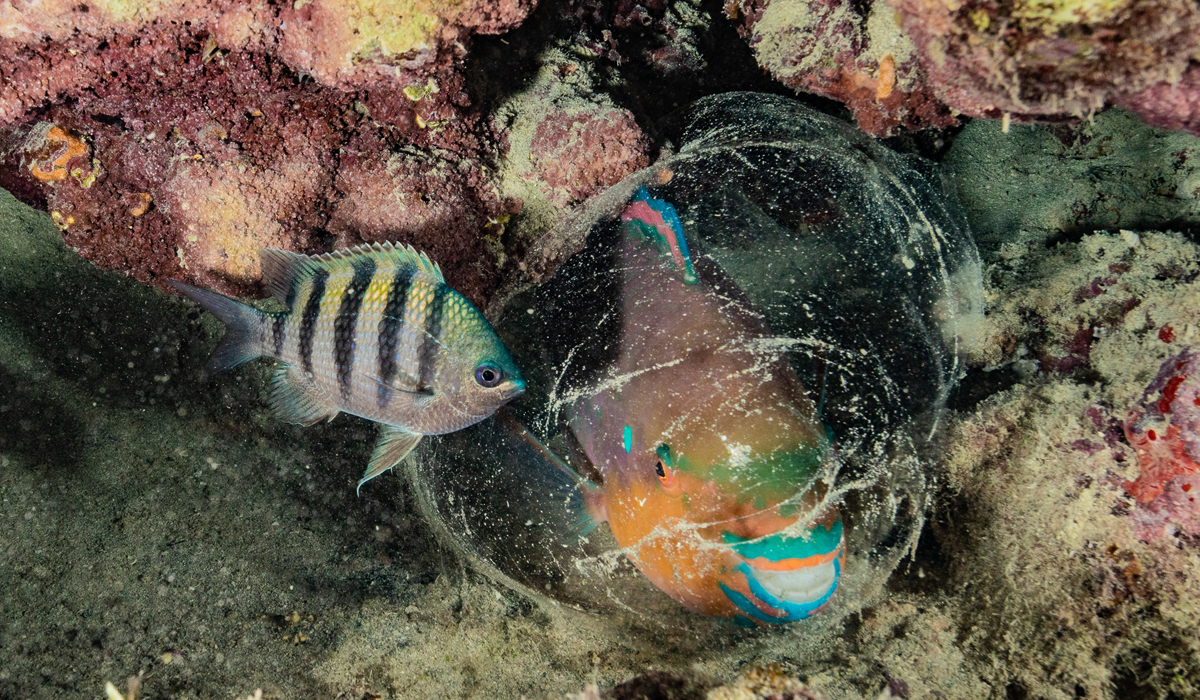
Some parrotfish prepare for the night by surrounding themselves with a nearly transparent cocoon made from mucus. The fish secrete this protective covering before settling down among the rocks and coral of tropical reefs. For years, scientists debated exactly why the behavior developed. A study published in 2011 found that the cocoons helped protect parrotfish against tiny blood-feeding parasites, functioning somewhat like mosquito nets beneath the sea.
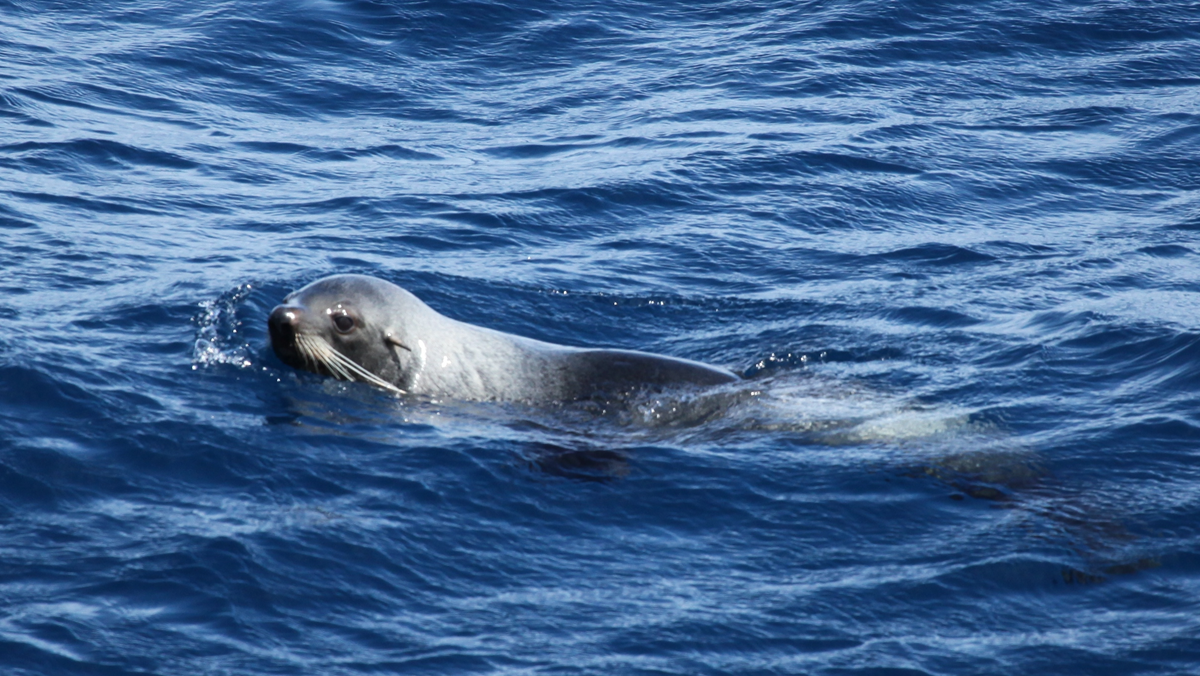
15. Fur Seals Can Sleep While Paddling With One Flipper
Liam Quinn / Wikimedia Commons / CC BY-SA 2.0
Fur seals have different sleeping habits depending on whether they are resting on land or in the ocean. In water, they can float on their sides while paddling with one front flipper, keeping their other three flippers above the surface. During this unusual behavior, one brain hemisphere can remain more active than the other, helping the animal maintain its position. Their ability to combine sleep with controlled movement allows them to rest at sea without constantly returning to shore.
In the mood for more?
Check out 15 Animals That Could Soon Disappear Forever, or take a look at 15 Animals With Superpowers That Seem Straight Out of Science Fiction. If you want to see more surprising facts about wildlife, you can check out 15 Animals With Social Lives More Complicated Than Most Humans.
Source: Nature



0 Comments