Scientists got a much better look at endangered red pandas by putting cameras in treesEric Ralls Wed, November 11, 2026 at 8:37 AM UTC
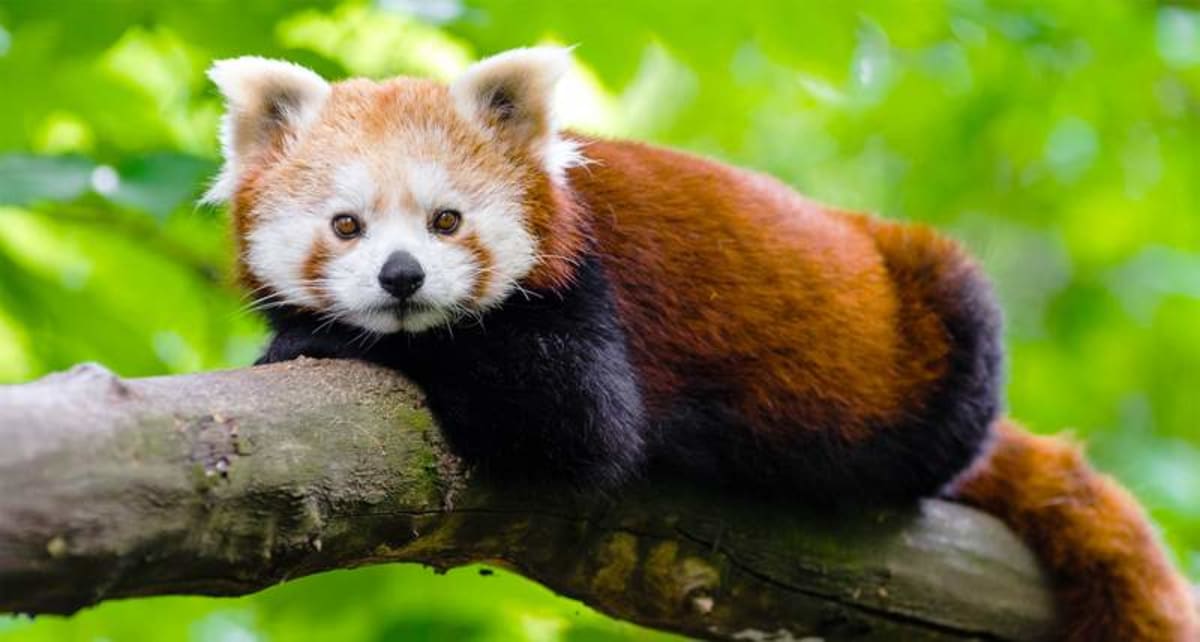
Red panda relaxing on a tree limb. Credit: Shutterstock
To photograph a shy wild animal, researchers usually set up a motion-sensing camera near the ground and wait for the animal to walk by. For red pandas, a camera placed near the ground misses a lot, because these endangered animals live mostly up in the trees.
At 19 sites in eastern Nepal, cameras about 16 feet (5 meters) up in trees took eight times as many pictures of red pandas as cameras near the ground. With cameras in the trees, researchers can watch an animal that is very hard to spot in the wild.
Sonam Tashi Lama of the Red Panda Network, a conservation group, led the work with Kathryn Bugler, James Ross, and Adrian Paterson at Lincoln University in New Zealand.
Camouflage hides red pandas
“Red pandas are very elusive,” Lama said. In eastern Nepal, oak trees are often covered in a reddish moss, and a red panda’s reddish fur blends into it. Researchers sometimes mistake pieces of moss for red pandas from a distance.
Lama said the camouflage helps protect red pandas from predators. Those predators likely include clouded leopards and common leopards, and sometimes yellow-throated martens, tree-climbing animals that usually hunt in pairs.
The same camouflage makes red pandas hard to study. Their behavior in the wild hasn’t been studied much, because the animals are so difficult to find and follow.
Researchers in earlier studies watched red pandas in person, fitted them with GPS tracking collars, or looked for their droppings. Lama’s team tested whether cameras could help, and whether they work better near the ground or in the trees.
Cameras were set up in pairs
From late 2017 to mid-2018, the team set up 19 pairs of motion-sensing cameras, known as camera traps, in the forests of eastern Nepal. Each pair stayed in place for at least a month.
The team picked trees that red pandas were already using. Fresh droppings and feeding marks showed which trees those were. Local people called Forest Guardians, who monitor red pandas for the Red Panda Network, helped choose the sites.
One camera in each pair was mounted on a tree trunk, about 16 inches (40 centimeters) above the ground. The other was placed up in the branches, about 16 feet above the ground.
There’s a reason for that height. Red pandas leave their droppings at regular spots in trees, and those spots are about 16 feet up on average.
Most pictures came from trees
Together, the cameras took almost 60,000 pictures. More than three-quarters of them showed no animal at all. Moving leaves and the heat of sunlight can set off a camera’s sensor, and that happened far more often in the trees.
Red pandas appeared in only 903 pictures, at 11 of the 19 sites. The tree cameras took 807 of those pictures, and the ground cameras took 96.
The team also counted how many separate times a red panda showed up. Tree cameras recorded 38 appearances. Ground cameras recorded 21. But a single appearance in a tree could produce a long series of pictures.
A red panda slept on camera
In one case, the team wrote, a tree camera recorded a single red panda over a period of 2 hours and 18 minutes. In that time, the animal slept in different positions, groomed itself, and explored its surroundings and the camera.
Red pandas sometimes investigated the tree cameras, but they didn’t touch them. One camera, aimed down a tree trunk, recorded a red panda climbing down headfirst.
The pictures also showed red pandas active at all hours of the day and night. The animals were busiest between 4 and 6 in the morning. They eat constantly, Lama said, taking only short naps between meals of bamboo.
Tree cameras take more work
Putting a camera in a tree is harder than setting one up near the ground. Reaching a tree camera takes a ladder or climbing gear. The team wrote that each one also took about 30 minutes longer to set up and to check.
The Forest Guardians are skilled tree climbers, Lama said. Tree cameras also took many more pictures with no animal in them, which gave the team more pictures to sort through.
Even so, the team wrote that the extra effort is worth it, because wild red pandas have been so difficult to observe. They recommended that researchers who want to monitor red pandas mount cameras in trees, about 16 feet up.
At that height, a camera can show whether red pandas are present, when they are active, how they behave, and possibly which predators are nearby. At one site in this study, a marten was photographed in a tree that a red panda often visited.
Ground cameras still have a use, the team wrote. They can record red pandas, but they are better suited to recording the other mammals that live on the forest floor.
Counting red pandas by face
Pictures from the tree cameras were clear enough to show the markings on each red panda’s face. Those markings differ from one animal to the next, so researchers can use them to tell red pandas apart.
Local populations of red pandas in Nepal are very small, typically 20 to 50 animals. Lama’s team didn’t use the pictures to estimate how many red pandas live in the study area. In future studies, the team wrote, the face markings could make that kind of estimate possible.
Biologists often estimate how many animals live in an area by learning to recognize individual animals, then recording how often they see the same ones again. The method is called mark-recapture.
The next question is whether that method works for red pandas. To make the animals easier to identify, the team suggested aiming cameras so they capture a red panda’s whole body.
The full study was published in the journal Wildlife Society Bulletin.
—–
Like what you read? Subscribe to our newsletter for engaging articles, exclusive content, and the latest updates.
Check us out on EarthSnap, a free app brought to you by Eric Ralls and Earth.com.
—–
Source: Nature



0 Comments