What Sound Does a Raccoon Make? 8 Noises You Might Hear at NightLarry Slawson, Parade AI DeskThu, November 19, 2026 at 2:00 AM UTC
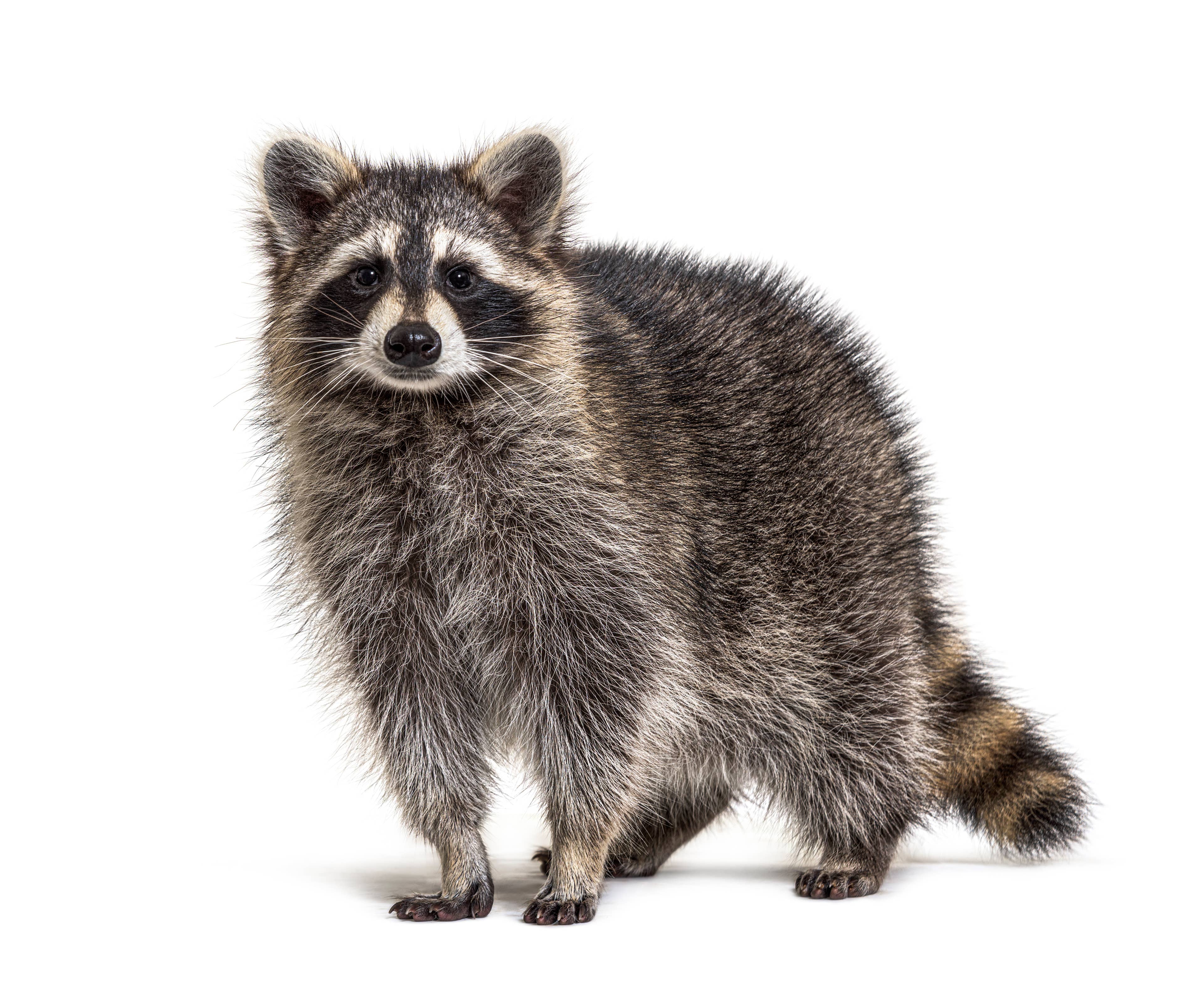
Hearing an unfamiliar noise outside your window at night can be a little unsettling. Maybe it’s a strange growl coming from the backyard, a high-pitched squeal near the porch or something that sounds suspiciously like two animals fighting. Whatever the sound, it’s not always easy to figure out what’s making it.Raccoons are one possibility, and these masked mammals are a lot more vocal than their quiet nighttime movements might suggest. In fact, they communicate through a surprisingly wide range of sounds, some of which can be mistaken for other animals entirely.So, what sound does a raccoon make? Here’s a closer look at eight noises you might hear after dark, along with what they could tell you about the animals making them.Related: What Do You Call a Baby Rhino?
What Sound Does a Raccoon Make?
Raccoons make several different sounds, including growls, hisses, screams, chattering noises, purrs and high-pitched cries. Their vocalizations can range from gentle, almost musical sounds to harsh noises that may be startling when heard at night.According to Virginia Tech’s wildlife specialists, raccoons communicate through vocalizations and body language to establish territories, attract mates and interact with their young. The sounds they produce often depend on the situation. A raccoon defending itself may sound very different from one communicating with its offspring. And because raccoons are primarily nocturnal, many of these calls are most likely to be noticed after sunset.Related: What Do You Call a Group of Bears?
8 Raccoon Sounds You Might Hear at Night
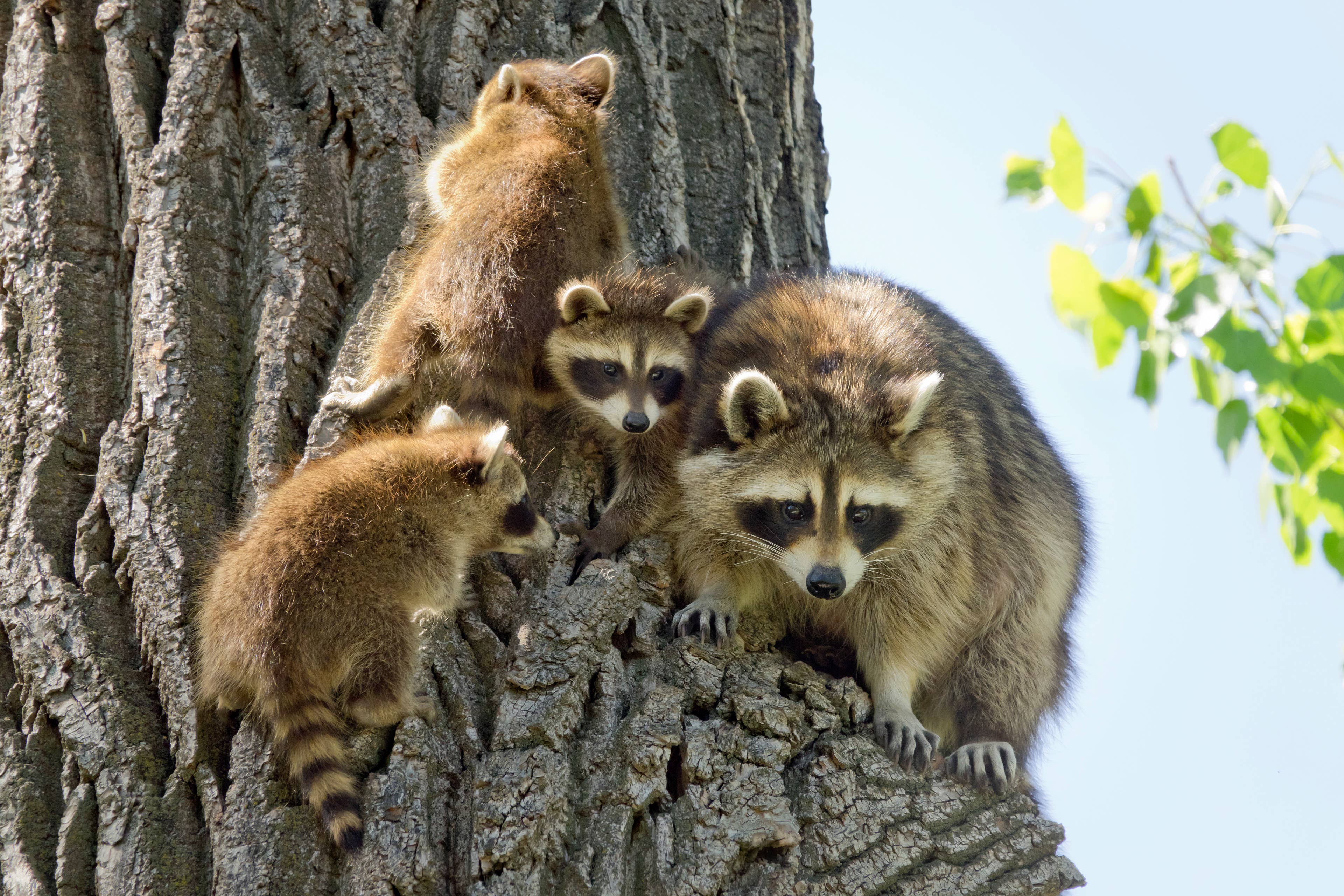
milehightraveler / Getty Images
Although raccoons produce many different vocalizations, some are easier to recognize than others. Here are eight sounds worth knowing.
1. Growling
A raccoon’s growl is a low, rough sound that may resemble a small dog warning someone to stay away. Growling is commonly associated with defensive or aggressive encounters, particularly when a raccoon feels threatened or is confronting another animal.The Virginia Department of Wildlife Resources, through Virginia Tech Extension, explains that raccoons may growl, snarl or hiss during aggressive confrontations. If you hear this, it’s best to give it plenty of space rather than approaching it.
2. Chattering
Chattering sounds like a rapid series of short, repetitive clicks or squeaky noises. Raccoons use these vocalizations to communicate, and the sounds can sometimes resemble an animal quietly talking to itself.
Researchers have documented different types of chittering calls, which may be associated with social contact or distress depending on the situation. You can hear an example in the Montana State University Library’s Acoustic Atlas, which features a recording of a juvenile raccoon chattering at a wildlife rehabilitation center.Related: What Do You Call a Group of Otters?
3. Screaming or Screeching
Few raccoon noises are as surprising as a loud scream. These piercing, sometimes rasping calls can resemble the screech of another wild animal, making them especially unsettling when heard in the middle of the night.
According to the Pennsylvania Game Commission, raccoons produce piercing screams when alarmed or frightened.
Screaming may also occur during intense confrontations with other raccoons. While the sound can be alarming, it doesn’t necessarily mean an animal is injured. The surrounding circumstances are important when interpreting the call.
4. Hissing
Raccoons can also hiss, producing a sharp, forceful sound that resembles an angry cat.
Like growling, hissing is commonly associated with defensive behavior. A frightened or cornered raccoon may use the noise to discourage another animal from approaching.
Virginia Tech Extension identifies hissing as one of several vocalizations associated with aggressive encounters. If you encounter a raccoon making this noise, avoid trying to handle or frighten it. Give the animal a clear opportunity to move away.
5. Purring
Surprisingly, raccoons can make purring sounds, although they don’t necessarily produce them the same way domestic cats do. It typically sounds like a low, vibrating rumble or a series of closely spaced vocalizations.
However, purring doesn’t always prove that an animal is happy. Raccoon vocalizations can have different meanings depending on their surroundings and behavior.Related: What Do You Call a Group of Owls?
6. Chirping or Trilling
Some raccoon calls sound surprisingly similar to birds. These vocalizations may consist of short, high-pitched chirps or a rolling series of notes known as a trill. Sharper, louder versions may occur during territorial disputes or fights.
7. Grunting
The University of Wisconsin Extension also identifies low grunts as part of the animal’s vocal repertoire. These are generally short, low-pitched sounds that resemble a muffled snort; however, their precise meaning can vary with the situation.Because these sounds are relatively quiet, they may be difficult to hear unless you’re close to the animal.
8. Whimpering or Whining
Not all raccoon noises are loud or aggressive. Some sound more like the soft cries of a young animal. Baby raccoons, also called kits or cubs, are known for producing high-pitched squeals, whimpers and other calls when communicating with their mothers.
Why Do Raccoons Make So Much Noise at Night?
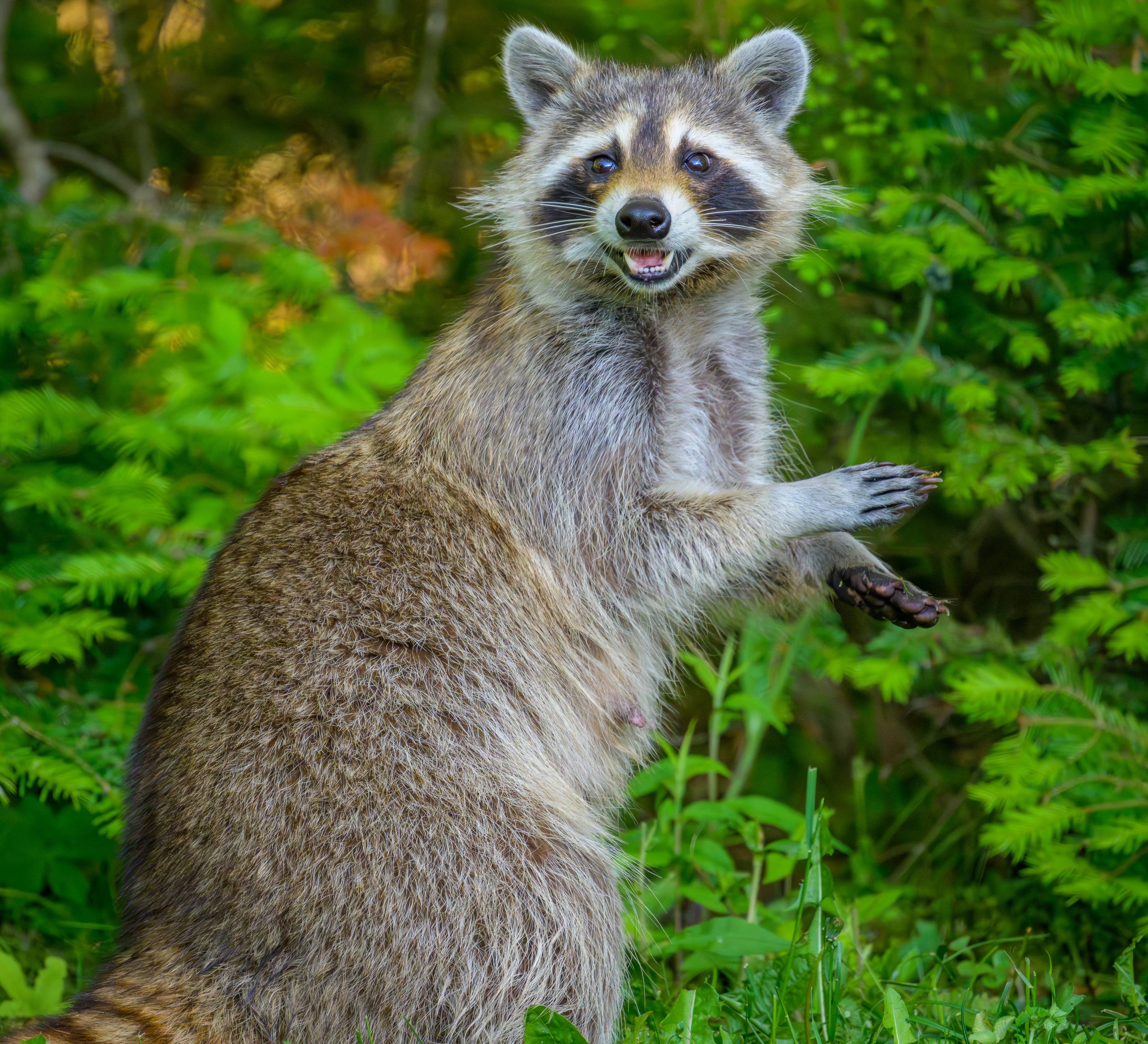
Stephen Waycott / Getty Images
Raccoons are primarily nocturnal, meaning they’re generally most active between dusk and dawn. During these hours, they search for food, travel between resting places and occasionally interact with other raccoons.
Their calls serve several purposes, including maintaining contact, communicating with offspring and warning other animals during confrontations.
Of course, not every noise associated with a raccoon comes from its voice. Scratching, rustling and thumping can result from the animal climbing, walking or investigating its surroundings. These movement noises can be particularly noticeable when raccoons enter attics or other enclosed spaces.
What Should You Do if You Hear a Raccoon Outside?
Hearing a raccoon at night isn’t necessarily a cause for concern. These animals are common in wooded neighborhoods, suburban areas and even cities.
If the noise is coming from your yard, the safest approach is usually to leave the animal alone and allow it to move on. However, repeated vocalizations or heavy movement inside an attic, chimney or wall may indicate that an animal has established a den.
Cornell University’s pest exclusion guidance recommends checking for young animals before attempting to exclude wildlife from a building. This is particularly important during the breeding season, when mothers may be caring for dependent offspring. A qualified wildlife professional can help determine whether raccoons are present and recommend an appropriate removal approach.
While some raccoon calls can sound frightening, they’re simply part of how these animals communicate. The next time you hear an unfamiliar chatter, growl or trill outside, you might have a better idea of who’s making all that noise.
Related: What Is a Baby Owl Called? These Fluffy Little Birds Have a Name as Cute as They Are
This article was drafted with the assistance of AI and thoroughly reviewed, edited and fact-checked by Parade editors. See our complete AI Policy.
This story was originally published by Parade on Nov 19, 2026, where it first appeared in the Life section. Add Parade as a Preferred Source by clicking here.
Source: Nature



0 Comments